Steph Lambert

  1. Boiler PCB Failure: How to Diagnose a Faulty PCB on Baxi, Vaillant and Worcester Bosch Boilers

    Boiler PCB Failure: How to Diagnose a Faulty PCB on Baxi, Vaillant and Worcester Bosch Boilers

    Your boiler has stopped responding, the displaying is flashing a fault code, and your engineer suspects the printer circuit board (PCB). Before you panic about costs or wait days for the parts to arrive, here is everything you need to know about identifying a PCB fault and sourcing the right genuine replacement quickly and confidently. 

    What does a Boiler PCB Actually Do?

    The PCB is essentially the brain of your boiler. It controls ignition, regulates the pump, reads sensor data, and manages safety shutdowns. Every function your boiler carries out passes through this single component, which is why a fault here can bring your entire heating system to a complete standstill. Understanding its role is the first step towards a faster, more cost effective repair. 

    Common Signs of PCB Failure

    PCB faults do not always announce themselves dramatically. The most telling symptoms include persistent fault codes on the display, random lockouts with no obvious cause, and a boiler that fires up briefly
    Read more »
  2. How to Recycle Your Zip HydroTap ZT400 CO2 Canisters

    How to Recycle Your Zip HydroTap ZT400 CO2 Canisters

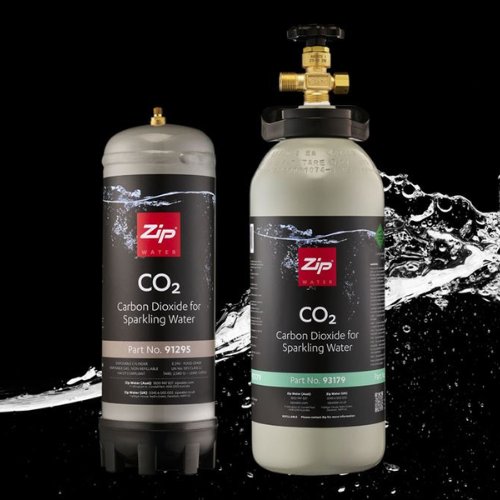
    Your Zip HydroTap ZT400 keeps the office sparkling with chilled, carbonated water all day long. But when those CO2 canisters run empty, do you know exactly where they should go? Getting disposal right is not just good practice. It is a legal sand safety responsibility that every facilities or office manager needs to understand. 

    Why Proper CO2 Canister Disposal Matters

    If you manage a workplace fitted with a Zip HydroTap ZT400 sparkling water system, you will already appreciate just how popular chilled sparkling water is with staff. But once those CO2 canisters are empty, it is essential to disposal of them correctly rather than simply placing them in the general waste bin. Pressurised vessels require specialist handling, and the consequences of getting it wrong can be serious. 

    Can CO2 Canisters Go in the Recycling Bin?

    The short answer is no, not via yor standard kerbsite or office recycling collection. CO2 canisters are pressurised vessels that require specialist handling before they

    Read more »
  3. Point of Use vs Centralised Water Heaters: Which Is More Energy Efficient for UK Commercial Buildings?

    Point of Use vs Centralised Water Heaters: Which Is More Energy Efficient for UK Commercial Buildings?

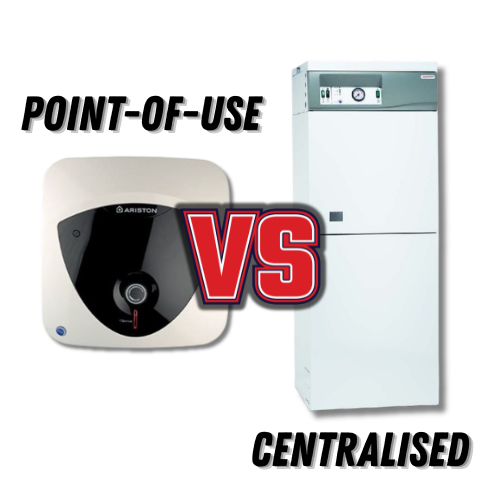
    Every month, thousands of pounds quietly vanish from commercial energy budgets. Not through extravagant usage, but through hot water sitting in long pipe runs, slowly cooling before it ever reaches a tap. If you manage a multi floor office or a large commercial property, the choice between point of use and centralised water heating could be on of the most financially significant decisions you make this year. 

    The Big Question for Commercial Buildings

    Hot water costs have a habit of hiding in plain sight on energy bills. The system you choose (centralised or distributed) affects not just installation costs, but your day-to-day running costs for years to come. With UK utility tariffs rising in 2026, facilities managers are rightly scruitnising every kW. So which approach actually delivers the best efficiency for a commercial building? 

    How Centralised Water Heating Works

    A centralised system heats water in one location and distributes it throughout the building via a network of pipework.

    Read more »
  4. Boiler and Water Heater Spare Parts: How to Identify the Right Replacement Component

    Boiler and Water Heater Spare Parts: How to Identify the Right Replacement Component

    Picture this: an engineer arrives, tools in hand, only to discover the replacement part is wrong. Another callout fee, more downtime, and a very frustrated facilities manager. It doesn't have to be this way. A few minutes of careful preparation before you order can save hundreds of pounds and keep your heating systems running without interruption. 

    Why Getting the Right Part Matters

    Ordering the wrong spare part is one of the most avoidable (and costly) mistakes in building maintenance. Whether you're managing a busy commercial site or troubleshooting at home, a mismatched component means repeat callouts, extended downtime, and potentially voided warranties. The golden rule is simple: always match the part number, not just the description. Similar-looking parts from the same manufacturer can have critical differences in pressure ratings, fittings, or capacity that make them entirely unsuitable for your unit. 

    Start With Your Model Number and Part Number

    Every water heater and boiler carries

    Read more »
  5. Boiling Water Tap Installation Guide for UK Offices: What You Need To Know

    Boiling Water Tap Installation Guide for UK Offices: What You Need To Know

    The humble office kettle has had its day. Boiling water taps are transforming UK workplaces - but before you invest, there are a handful of critical factors every facilities manager needs to consider. Get it right, and you will wonder how you ever managed without one.

    Why Offices Are Switching to Boiling Water Taps

    Boiling water taps are fast becoming a staple in UK offices, eliminating the inefficiency of shared kettles and cutting down the time staff spend waiting around. Instant access to boiling, chilled, and filtered water from a single tap can make a genuine difference to workplace productivity and morale - and with energy costs under the spotlight, the running savings are hard to ignore.

    If you are considering making the switch, here is everything you need to know before you commit to a purchase. 

    Step 1: Assess Your Office's Daily Demand 

    Capacity is the single most important factor to get right. A small office of up to 20 people will typically manage well with a 3-litre unit,

    Read more »
  6. What's the Difference Between Internal and External Expansion Vessels?

    What's the Difference Between Internal and External Expansion Vessels?

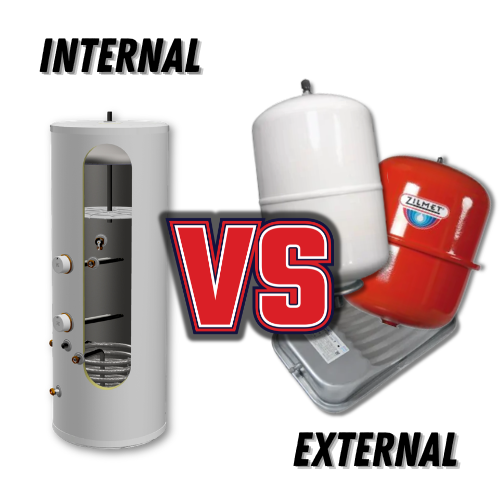
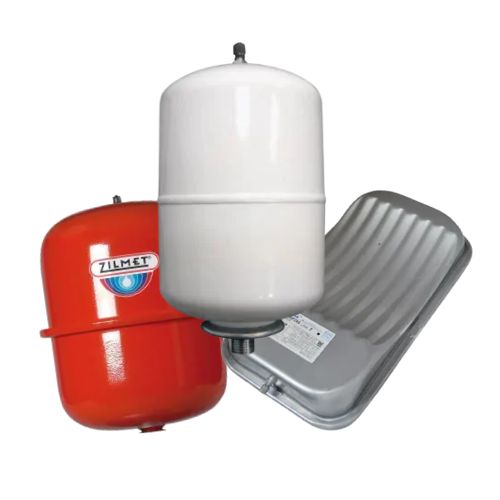
    Did you know that not all expansion vessels are the same? Some live inside your cylinder and some sit on the outside. Knowing the difference helps you buy the right part, plan your installation, and avoid any nasty surprises down the line. Let's break it down together

    What is an Internal Expansion Vessel?

    An internal expansion vessel is built straight into the cylinder at the factory. it handles pressure from the inside without you needing to fit anything extra. You will find these in unvented cylinders like the Megaflo.

    The big benefit here is a clean and tidy install. There are no extra components on show, which makes it a great option when space is tight or when you want a clean finish. Because everything is self contained, there is less pipework to worry about too. 

    The trade off is accessibility. If the internal vessel ever fails, a Gas Safe engineer will need to get inside the cylinder to repair or replace it. This makes the job a little more involved compared to the external fix.

    Read more »
  7. Signs Your Expansion Vessel Has Failed (And What To Do About It)

    Expansion Vessels

    Your boiler works hard to keep your home warm and cosy but quietly behind the scenes, your expansion vessel is doing some serious heavy lifting. When this unit fails, things can go wrong fast. So, how do you spot the signs before you're left in the cold? Let's walk through everything you need to know. 

    What is an Expansion Vessel?

    An expansion vessel is a small but mighty component inside your boiler. As water heats up, it expands and the expansion vessel absorbs the extra pressure to keep your heating system running safely and smoothly. Think of it as your boiler's pressure relief valve. Without it working correctly, your system quickly runs into trouble. 

    Signs Your Expansion Vessel Has Failed

    Watch out for these tell-tale signs: 

    • Loss of pre-charge pressure - The vessel contains nitrogen or pre-air charge. Over time, this charge slowly leaks out, meaning the diaphragm can't push back against expanding water properly. The result is the pressure relief valve frequently lifting or pressure
    Read more »
  8. Introducing the New Warner Howard Hand Dryer Collection

    Introducing The New Warner Howard Hand Dryer Collection

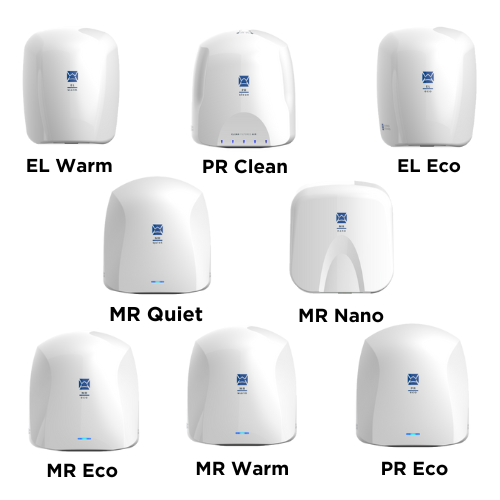
    The latest Warner Howard hand dryer range delivers powerful performance, energy efficiency, and modern design for every washroom environment. From ultra quiet units to compact high speed dryers, this collection offers a smart solution for commercial spaces that value hygiene, sustainability, and style. 

    EL Eco 

    El Eco focuses on efficiency without compromise. It uses low energy consumption while still delivering fast drying times, making it ideal for high traffic washrooms looking to reduce running costs and environmental impact.

    EL Eco was formly the EL600

    EL Warm

    EL Warm combines energy saving technology with a comfortable warm air output. It creates a more pleasant user experience, particularly in colder environments, while maintaining the reliability you expect from Warner Howard.

    EL Warm was formly the EL1100 

    MR Eco

    MR Eco is built for performance and durability. It balances powerful airflow with reduced energy usage, making it a strong choice for busy public facilities that

    Read more »
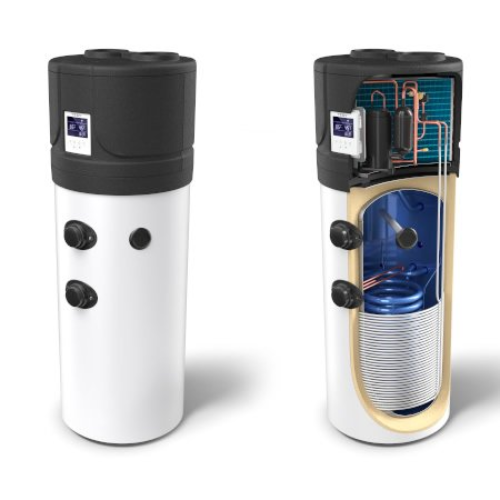
  9. Heat Pump Hot Water Cylinder Costs Explained: Prices, Installation, and Grants

    Heat Pump Hot Water Cylinder Costs Explained: Prices, Installation, and Grants

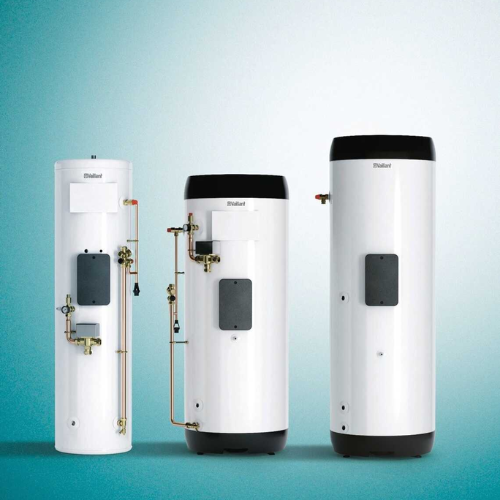
    Thinking about upgrading to a heat pump hot water cylinder, but not sure what it will cost? You're not alone. The good news is that prices are fairly predictable and there's government support that can make everything much more affordable. 

    Let's break it down, without the technical jargon or the headache. 

    The Cost of the Cylinder Itself

    Ont he lower end, a basic air source heat pump hot water cylinder usually costs around £700 to £900. These are smaller models that suit flats or homes with lower hot water demand. 

    Mid range cylinder, which are more common in family homes, typically sit between £1,000 and £1,400. These often offer better insulation, faster heat recover, and longer warranties. 

    At the premium end, larger or higher specification cylinders can cost up to £1,800 or more. These are designed for bigger households, higher usage, or homeowners who want top efficiency and durability. 

    Information gathered from U and I Renewables 'Air Source Heat Pump Costs UK 2025: Complete

    Read more »
  10. Air Source Hot Water Heat Pump Cylinders: 5 Myths Debunked

    Air Source Hot Water Heat Pump Cylinders: 5 Myths Debunked

    As more households look for energy efficient ways to heat their water, the hot water heat pump cylinder is becoming an increasingly popular choice. However, with popularity comes plenty of myths, misunderstandings, and half truths. From worries about noise to fears of cold showers, there is a lot of misinformation out there. Let us clear things up by tackling the most common myths heads on. 

    Myth 1: A hot water heat pump cylinder does not work in cold weather

    This is probably the biggest myth of all, and also one of the easiest to bust. Modern hot water heat pump cylinders are designed to work efficiently in the UK climate, even when temperatures drop. They extract heat from the air, not sunshine, so chilly days are not a problem. In fact, many systems are tested to perform well below freezing, meaning reliable hot water all year round.

    Myth 2: Hot water heat pump cylinders are noisy

    Nobody wants their hotwater system to sound like it is preparing for take off. The good news is that today's

    Read more »